

Managing Type 1 Diabetes (T1D) is a 24/7 job that requires upwards of 180 medical decisions every single day. While insulin, CGMs, and pumps are the hardware of survival, finding a T1D community, whether through a local type 1 diabetes support group or a T1D online community, is the most underrated management tool in your kit. Connecting with other T1D people provides the emotional validation and "lived experience" hacks that even the best endocrinologists can’t offer. Connection isn't just "nice to have"; it's a physiological buffer against burnout and high HbA1c.
You’re sitting at a birthday dinner. Everyone is laughing, passing around a bottle of wine, and diving into the cake. You? You’re staring at your phone, calculating the fat-to-carb ratio of a slice of chocolate frosting while your CGM tells you you’re already trending up.
It’s isolating.
Even if you have the most supportive partner, parents, or friends in the world, there is a fundamental gap between sympathy and empathy. They can feel bad for you, but they don't feel the phantom vibration of a low-glucose alarm in their pocket. They don't know the specific, visceral frustration of a "rage bolus" when a stubborn 250 won't budge.
For most of us, we grow up as the only person in our school, our office, or our social circle with this condition. We are the "medical anomaly" in the room. This isolation isn't just a bummer; it’s a heavy cognitive load. When you are the only one speaking the language of basal rates and insulin sensitivity, you eventually get tired of translating. You stop talking about it. And that’s when the burnout starts to settle in.
The first time you meet another person with T1D, something weird happens. You don't have to explain why you're eating a glucose tab in the middle of a sentence. You don't have to justify why you’re annoyed that your sensor failed.
Finding your first T1D community feels like finding a group of people who finally speak your native tongue after years of living in a foreign country.
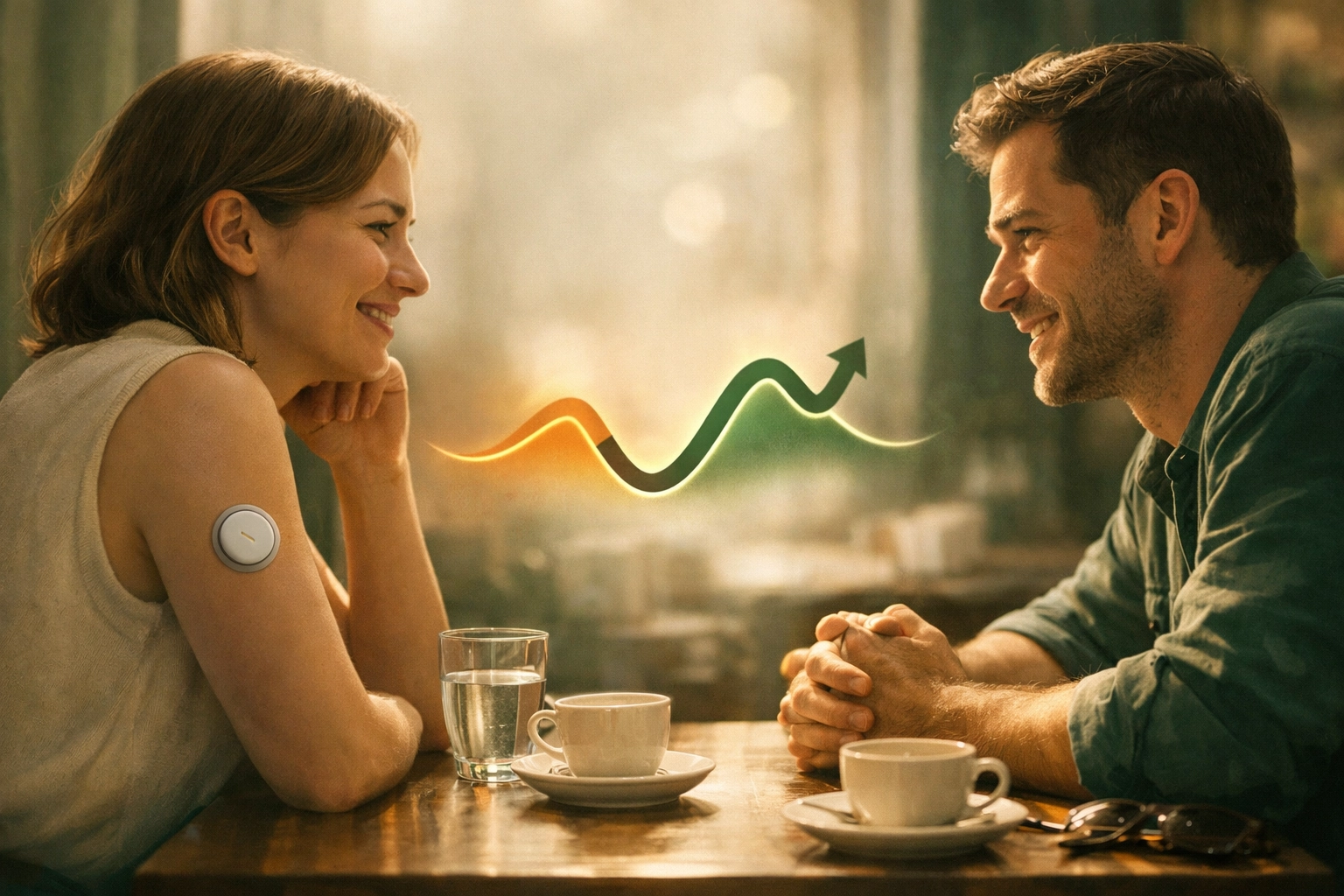
We call this "The Relief." It’s the moment you realize your "failings" are actually just universal T1D experiences.
When you share these moments with people who get it, the shame disappears. In its place, you find a collective intelligence that no textbook can replicate.
If you don't have a local group, the internet is your best friend. The T1D online community (often called the #DOC or Diabetes Online Community) is active 24/7. When you’re awake at 4 AM dealing with a stubborn high, someone else is too.
Here are a few places to start:
At Subseven, we believe that data is half the battle, but connection is the other half. We’re building tools to help you understand your patterns, but we know those patterns are easier to handle when you aren't the only one looking at them.
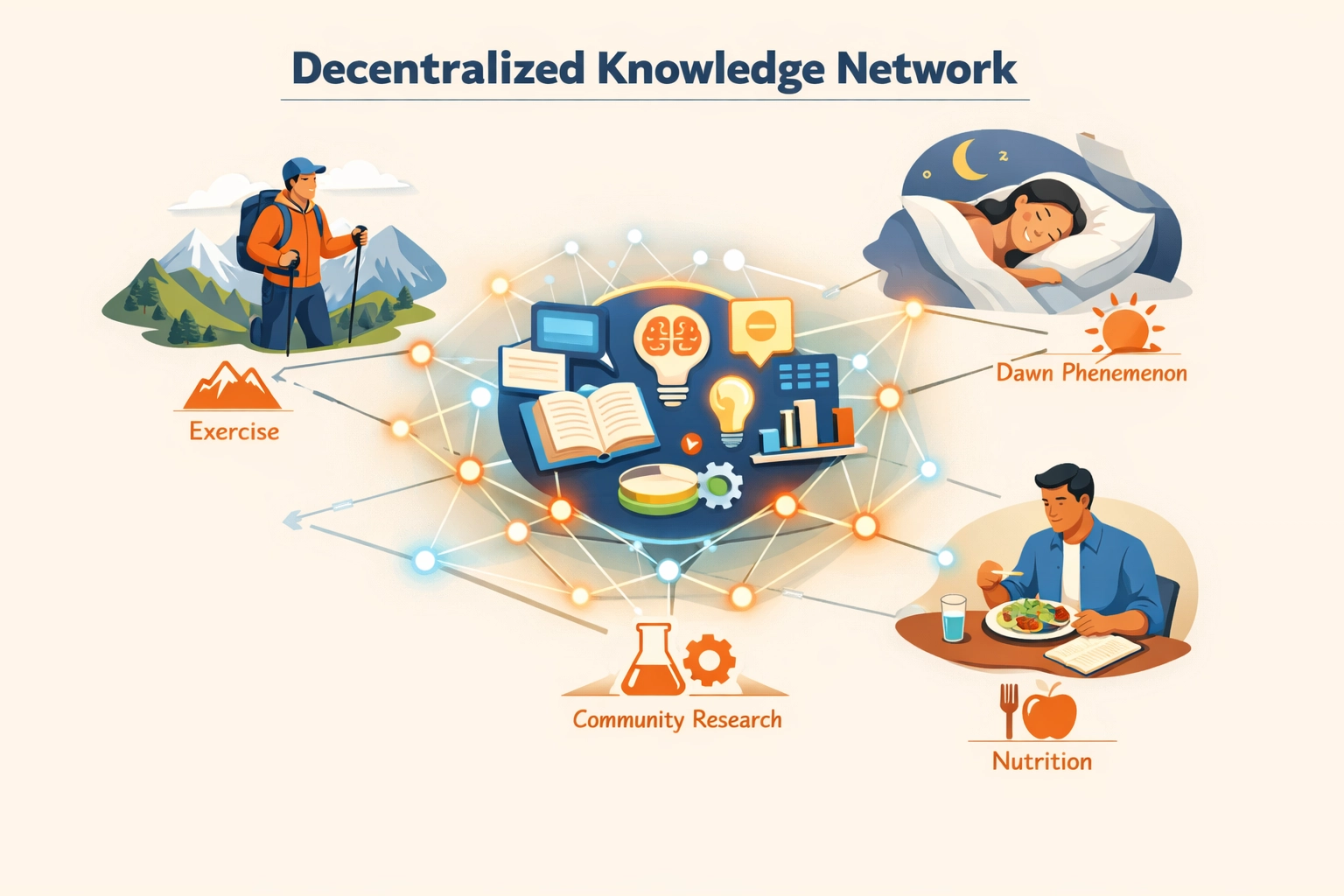
This is where the "Engineer of Biology" side comes in. Community isn't just for crying on a shoulder; it’s a high-level knowledge base.
Think about it: Your doctor sees you for 15 minutes every three months. A peer with T1D lives the condition for 8,760 hours a year. Who do you think has better tips on:
The T1D community is a massive, decentralized R&D department. We are all "n-of-1" experiments. When we share our data and our stories, we turn those individual experiments into a roadmap for everyone else.
It sounds a bit "woo-woo," but the data is real. Studies consistently show that connecting with other T1D people correlates with lower HbA1c levels and reduced "diabetes distress."
Why? Because when you have a community, your "willpower" doesn't have to do all the heavy lifting.
We didn't build Subseven because we wanted to make "another app." We built it because we were tired of the "stressing and guessing" that comes with being isolated in our management.
We wanted a tool that acted like that smart T1D friend, the one who looks at your stress, your sleep, and your movement and says, "Here’s what’s actually happening." We wanted to automate the mental math so you could spend more time being in the community and less time managing the condition.
You can read more about our story and why we believe the future of T1D management is personal, data-driven, and deeply connected.
If you’re feeling burnt out today, stop trying to "math" your way out of it for a second. Reach out. Join a thread on Reddit. Send a DM to someone on Instagram who posted a graph that looks like yours.
The most powerful thing you can hear in your T1D journey isn't "Your A1c is great." It’s "Me too."
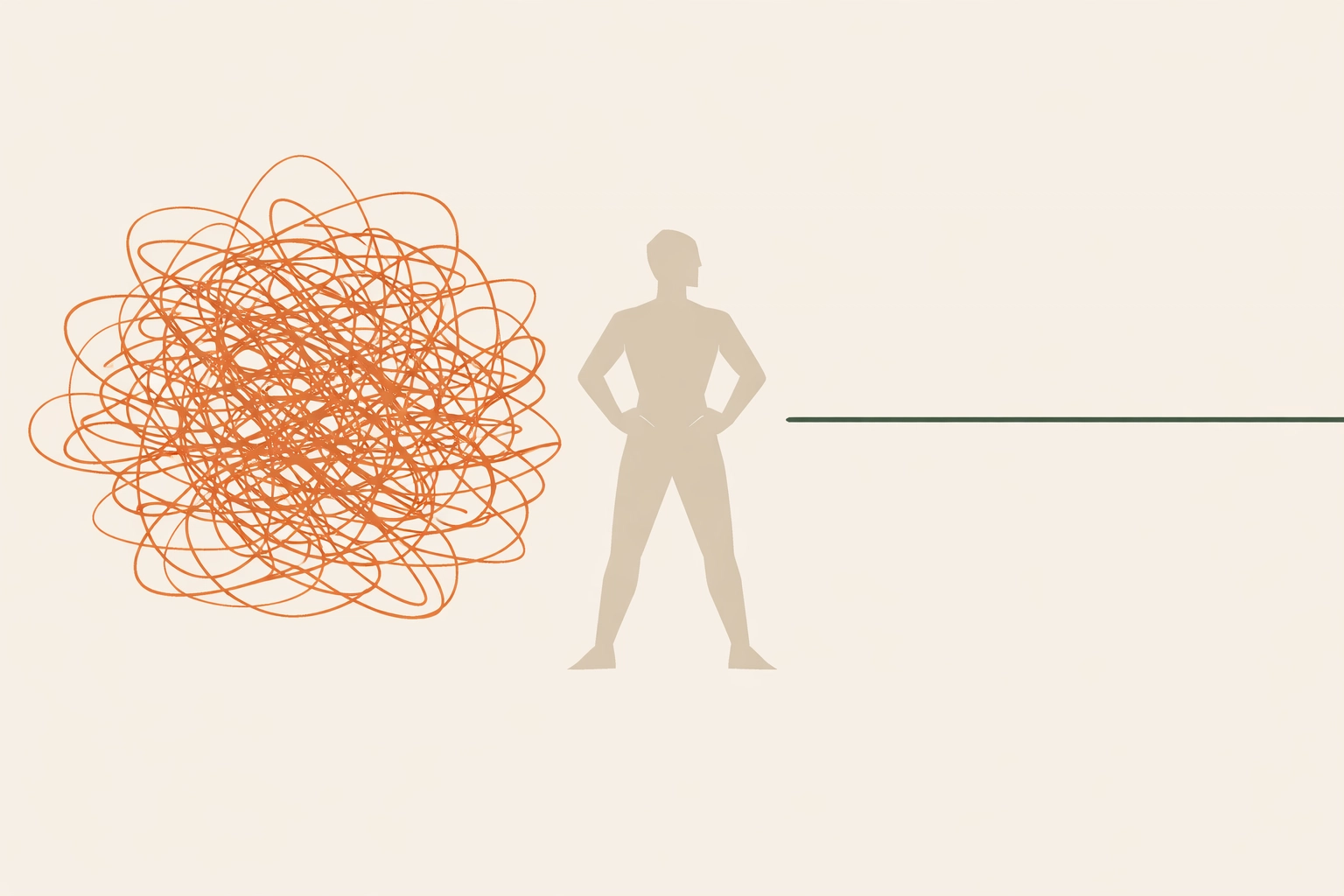
Once you realize that the chaos isn't your fault, that it’s just the nature of this complex, beautiful, frustrating biology, you can stop fighting yourself. You can start using the collective wisdom of the thousands of us who are doing the exact same math at the exact same time.
The "invisible load" is a lot lighter when it’s shared.
The best place to start is Breakthrough T1D (formerly JDRF) or Beyond Type 1. They have local chapters and "connection" programs. You can also ask your endocrinologist’s office, they often have flyers for local meetups or hospital-based support groups.
Absolutely. Many people in the #DOC (Diabetes Online Community) are "lurkers", they read the advice, look at the memes, and gain comfort without ever posting a word. You don't have to be an influencer to benefit from the collective knowledge.
Directly? No. But indirectly, yes. By reducing "diabetes distress" and stress hormones, and by learning practical management hacks from others, your time in range (TIR) often increases and your HbA1c often drops.
It depends on what you need. Reddit is best for deep-dives and technical questions. Instagram and TikTok are best for visual inspiration and feeling less alone. Facebook Groups are great for specific niches (e.g., "T1D Athletes" or "T1D Moms").
Yes. Many groups focus on adults who were diagnosed later in life or long-term "T1D Veterans." Search for "Adults with T1D" on Facebook or look for adult-specific meetups through Beyond Type 1.
While Subseven is a tool for individual management, it’s built on the collective logic of the T1D community. It addresses the "hidden variables" (stress, sleep, etc.) that the community has been talking about for years, bringing that shared wisdom into an automated, actionable format.
About the Author:
Chris Putsch is the CEO and Founder of Subseven. As a long-term T1D veteran, he’s spent years navigating the highs and lows (literally) of the condition. He built Subseven to take the stressing and guessing out of diabetes, combining the rigor of an engineer with the lived experience of someone who's had his share of 3 AM glucose tabs.


