


If you’re looking for the short answer: The core T1D vs T2D difference is that Type 1 is an autoimmune attack where the body destroys its own ability to make insulin, while Type 2 is a metabolic condition where the body becomes resistant to the insulin it does make. One is a supply problem (the factory is gone); the other is a distribution problem (the keys don't fit the locks). Understanding this distinction is vital because while both involve high blood sugar, the management, causes, and daily "mental load" are worlds apart.
We’ve all been there. You’re at a dinner party, you pull out your insulin pump or your CGM, and someone says, "Oh, my Great Aunt Edna had the 'sugar.' She stopped eating bread and she was cured! Have you tried cinnamon?"
It’s infuriating. It’s a specific kind of "WTF" moment that only those of us living with Type 1 truly understand. You want to be polite, but you also want to scream. You didn't get this from eating too many cupcakes as a kid. You can't "cure" it with a keto diet or a morning jog.
The world lumps us all into one giant bucket labeled "Diabetes," and it’s exhausting. This conflation isn't just a social annoyance; it’s a fundamental misunderstanding of biology that leads to stigma, bad medical advice, and a massive amount of "unseen" work for those of us in the T1D trenches. We aren't just managing a diet; we are manually operating an organ that decided to quit its job without notice.
Let’s look at the engine under the hood.
In a "normal" body, the pancreas is like a perfectly tuned thermostat. You eat, your blood sugar rises, the pancreas releases exactly the right amount of insulin, and everything stays level.
Type 1 Diabetes is an autoimmune "friendly fire" incident. For reasons we still don’t fully understand, likely a mix of genetics and an environmental trigger, your immune system decided your insulin-producing beta cells were the enemy. It wiped them out. Total scorched earth. The result? You have zero insulin. Without it, your body literally cannot turn food into fuel. It’s not about "lifestyle choices." It’s a biological system failure.
Type 2 Diabetes is a metabolic struggle. In this case, the pancreas is still showing up to work, but the body’s cells have become "insulin resistant." Think of insulin as a key that unlocks your cells to let energy in. In Type 2, the lock is rusty. The body tries to compensate by making more insulin, but eventually, the pancreas can't keep up. While lifestyle and genetics play huge roles here, the mechanism is fundamentally different from the autoimmune destruction of T1D.
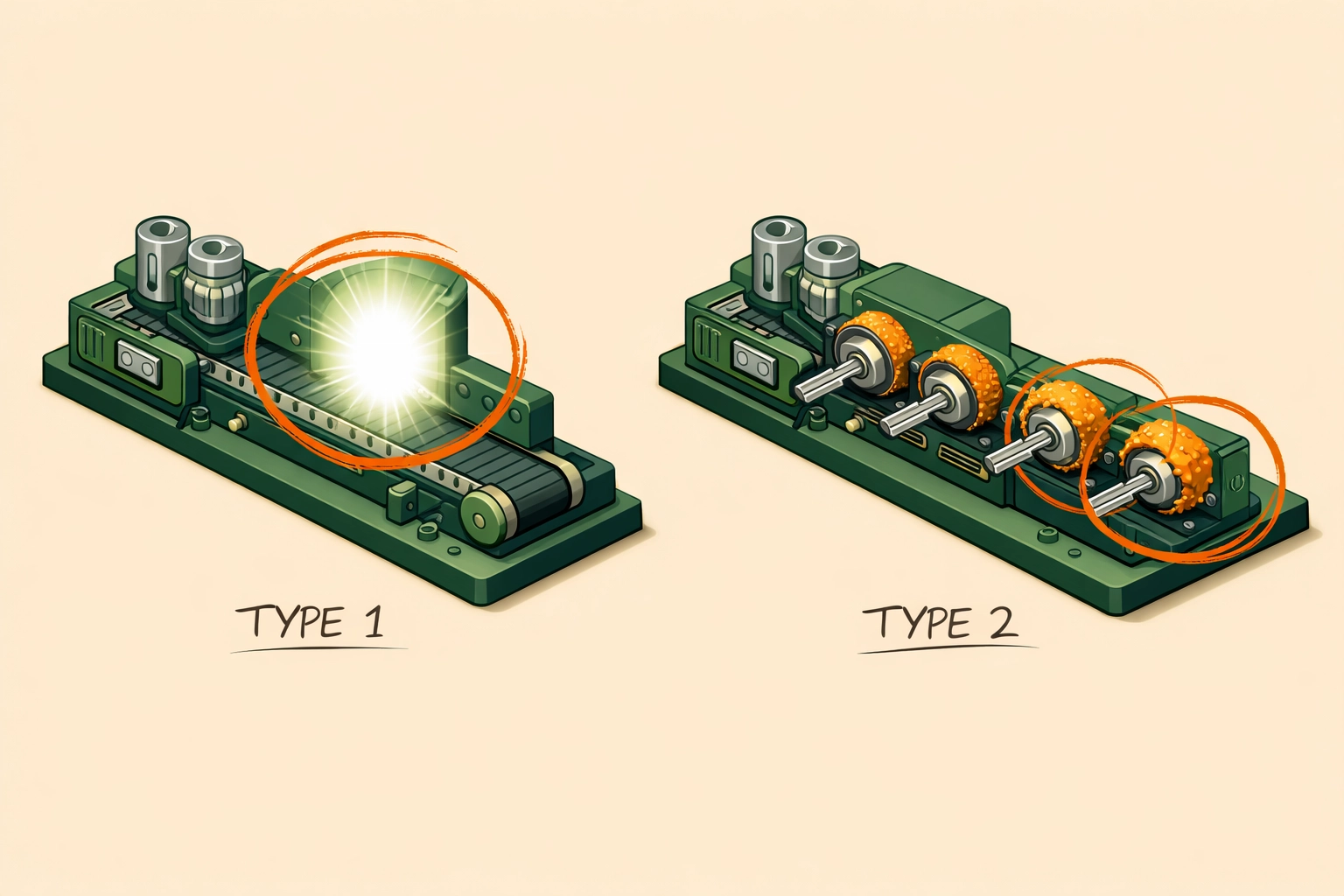
I like to think of it this way:
This is why the "just eat less sugar" advice is so toxic for T1Ds. We can eat zero sugar and our bodies will still produce glucose from our livers, and without injected insulin, we will still end up in the ICU. We are the manual pilots of a system that was designed to be on autopilot.
This is where the "Invisible Load" comes into play. For many Type 2 patients, management might involve a pill like Metformin, some dietary changes, and periodic checks. (This isn't to say T2D is "easy", it has its own massive challenges, but the mechanics are different).
For us in the T1D world, management is a 24/7/365 job with no breaks. There are no "days off." We are accounting for:
If the math of "Carbs + Insulin = Success" actually worked, we’d all have perfect A1Cs. But it doesn't. We’re dealing with hidden variables that the T2D conversation rarely touches. When someone tells you to "just watch what you eat," they are ignoring the 42 different factors that influence our blood glucose.
Perhaps the hardest part of the type 1 vs type 2 diabetes differences is the social weight. Type 2 is often portrayed in the media as a "consequence" of bad habits. Whether that's fair or not is a different debate, but that stigma spills over onto T1Ds constantly.
We get the "sympathy" looks. We get the "can you eat that?" questions. We get the assumption that if we just worked harder, we’d be "cured."
It’s time to lean into some T1D pride. We are essentially amateur endocrinologists. We make hundreds of life-saving decisions every single day just to stay upright. That’s not a failure of willpower; it’s a feat of engineering and endurance. We don't want sympathy, and we definitely don't want cinnamon. We want people to understand that our reality is one of constant calculation and pattern recognition.

Once you realize that the world’s confusion isn't your burden to carry, things get a little lighter. You stop trying to explain your pancreas to every stranger at the gym.
But more importantly, once you accept that T1D is a game of "Managing Chaos" rather than "Achieving Perfection," you can start looking for better tools. If the problem is that we have 15+ variables and only one lever (insulin), we need a way to see the patterns in the noise.
That’s why we’re building Subseven. We know that the "Stressing and Guessing" comes from the fact that your insulin works differently on Tuesday than it did on Monday, and you don’t always know why. By tracking the things that actually matter, like stress, sleep, and activity, alongside your glucose data, you can stop feeling like a failure and start feeling like a scientist.
The goal isn't a flat line. The goal is a quiet mind. It's knowing that even when the "chaos" happens, you have the insights to handle it.
1. Can Type 2 turn into Type 1?
No. They are different biological processes. However, a person with Type 2 can become "insulin-dependent" if their pancreas stops producing enough insulin over time, but it is still classified as Type 2.
2. Is Type 1 only diagnosed in children?
Absolutely not. This is a huge myth. While it was once called "juvenile diabetes," over half of all new T1D diagnoses happen in adults. You can be 15 or 55 when your immune system decides to go rogue.
3. Does eating too much sugar cause Type 1?
No. Sugar consumption has zero link to the development of Type 1 diabetes. It is an autoimmune condition, not a nutritional one.
4. Why do Type 1s need to wear a pump or CGM?
Because we have no internal "sensor" or "delivery system," we use technology like Continuous Glucose Monitors (CGMs) and insulin pumps to act as an external, manual pancreas. It helps us see the trends in real-time.
5. Can Type 1 be cured with exercise?
No. While exercise is great for heart health and can sometimes help with insulin sensitivity, it cannot restart insulin production in a Type 1 pancreas. Insulin is a requirement for life for T1Ds.
6. Is one type "worse" than the other?
Neither is "better." Both carry risks of long-term complications if not managed. However, Type 1 is generally more "volatile" on a day-to-day basis because there is zero internal insulin buffer to catch mistakes.
Author Bio:
Chris Putsch is the founder of Subseven and has been living with Type 1 Diabetes for years. After getting tired of the "guessing game" that comes with T1D management, he decided to build the tools he wished he had at diagnosis. He's on a mission to help the T1D community move from burnout to balance through better data insights.
Ready to take the guessing out of your management? Download Subseven and start seeing the patterns behind your spikes.


