


You did the math. You counted every single gram of carbohydrate in that bowl of berries. You bolused 15 minutes early. You even accounted for the fiber.
Then, an hour later, your CGM alarm starts screaming. You’re at 240 and rising.
WTF, right?
It feels like a personal failure. Like you’re bad at math or just "bad at having diabetes." But here’s the reality: blood sugar is influenced by at least 42 different variables, and food is only one of them. Factors like cortisol, sleep quality, dehydration, and even a hot shower can cause blood sugar spikes not from food. Managing T1D isn't just about carbs; it’s about navigating a complex web of hidden variables that your endocrinologist probably didn't have time to list during your 15-minute appointment.
The "carbs in, insulin out" equation we were taught at diagnosis is a lie. Well, it’s a half-truth. It treats your body like a simple calculator, but your biology is more like a chaotic, living ecosystem.
When your blood sugar spikes without food, it’s usually because your liver has released stored glucose into your bloodstream, or your cells have become temporarily resistant to the insulin you've injected. This happens because of hormones, specifically "counter-regulatory" hormones like cortisol, adrenaline, and glucagon.
Understanding these hidden variables T1D management requires is the first step toward stopping the self-blame. You aren't failing; you're just working with an incomplete data set.
Consider this the reference guide you should have been handed on day one. Here is the breakdown of why your numbers are doing what they’re doing.
Stress is arguably the most frustrating hidden variable because you can't see it on a plate.
One bad night of sleep can make you as insulin-resistant as someone with Type 2 diabetes the next morning.
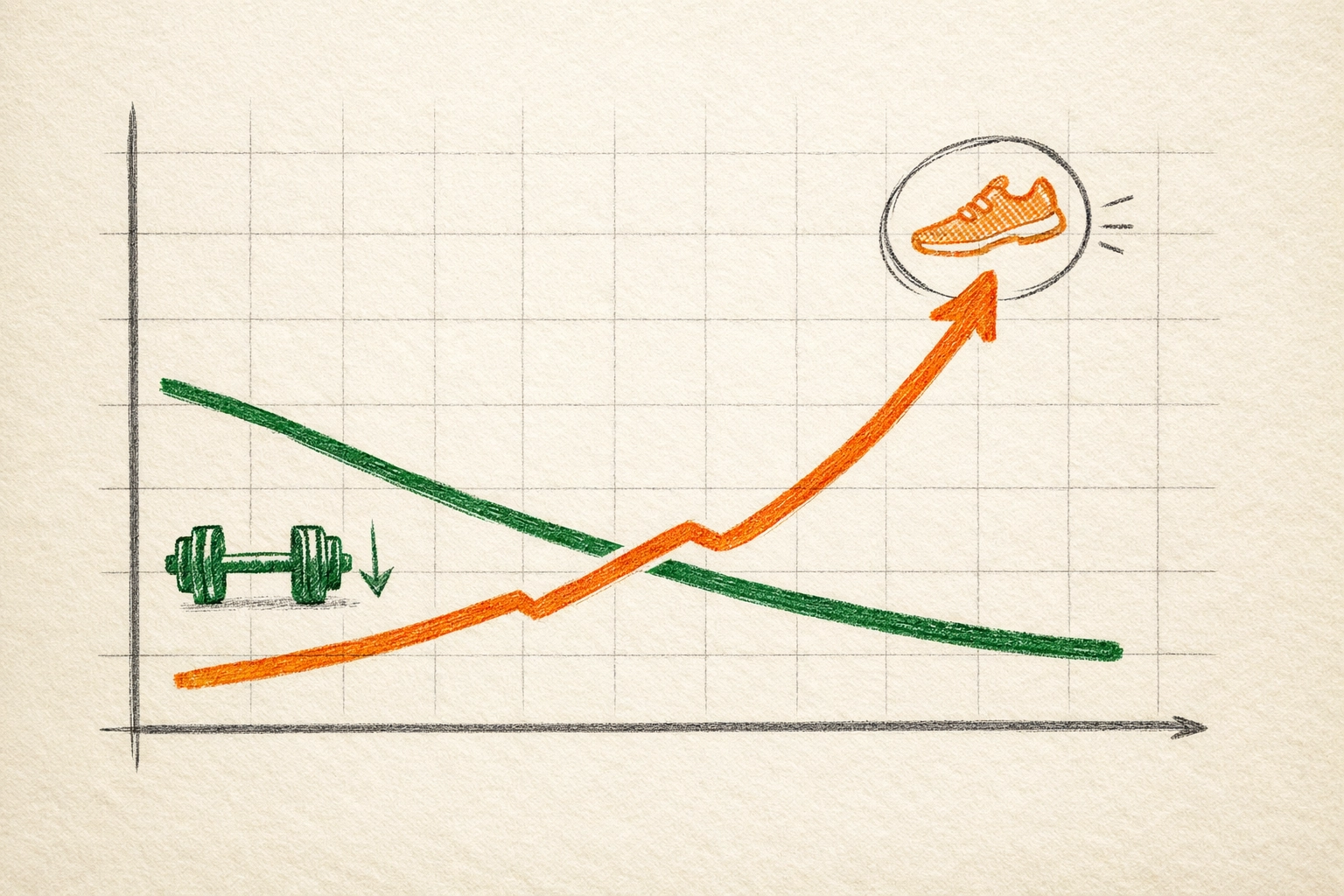
Not all movement is created equal.
Your body prepares to wake up by releasing a cocktail of hormones.
When you’re dehydrated, the glucose in your blood becomes more concentrated.
Hormones like estrogen and progesterone have a massive impact on how insulin works.
Extreme heat or cold puts stress on the system.
Caffeine doesn't have calories, but it does trigger adrenaline.

Alcohol blocks the liver from releasing glucose.
Your immune system is a resource hog.
Yes. Beyond insulin, other medications can wreak havoc. The most notorious are steroids (like prednisone). If you are prescribed steroids for an injury or illness, expect your insulin needs to double or even triple. Other meds, like certain birth controls or even high doses of aspirin, can also shift your sensitivity. Always check with your endo when starting something new.
If this list feels overwhelming, that’s because it is. You are essentially trying to manually operate an organ that is supposed to be automated.
The goal isn't to memorize this glossary and become a human supercomputer. The goal is pattern recognition.
When you start to see that every Tuesday (stressful meeting day) you spike, or every time you get less than six hours of sleep you run high, the "chaos" starts to look like a map. You stop asking "What did I do wrong?" and start saying "Ah, I see what's happening here."
None of these variables make T1D your fault. They just make it complicated. The first step to managing complicated things is naming them. This is why we built Subseven, to help you track these nuances without the mental gymnastics. When you stop guessing and start seeing the patterns, the mental load finally starts to lighten.
When you're stressed, your body releases cortisol and adrenaline. These hormones tell your liver to dump stored glucose into your blood to provide energy for a "fight or flight" response. Since your pancreas doesn't produce insulin to counter this, your blood sugar rises.
Yes. Heat can cause your blood vessels to dilate (expand), which can make your injected insulin absorb much faster, potentially causing a drop. Conversely, the physical stress of being overheated can trigger a spike in some people.
For many people, yes. While black coffee has no carbs, caffeine stimulates the release of adrenaline, which can cause the liver to release glucose, leading to a spike.
When you're fighting an infection, your body releases inflammatory chemicals and hormones to help the immune system. These hormones interfere with insulin’s ability to work, leading to temporary but significant insulin resistance.
Research shows that high altitudes can increase insulin resistance in the short term. Additionally, the physical stress of lower oxygen levels can cause the body to release more glucose.
The liver is responsible for releasing a steady stream of glucose into your blood. When you drink, your liver prioritizes breaking down the alcohol. It "ignores" its job of releasing glucose, which can lead to dangerous lows once your initial food has worn off.
About the Author: Chris Putsch is the founder of Subseven and has lived with Type 1 Diabetes for over 20 years. He built Subseven to solve the "invisible load" of T1D management( turning data into actual, actionable insights.)


